
Since the dawn of the Olympics, sports have been a contest of global powers. Today, how are sports used as a means of conducting foreign policy — for better and for worse?
Government spending and staff are being cut, and Congress could pass legislation that reshapes college and Olympic sports. Our panel assesses what’s at risk for youth sports, where wins could be found, and how to navigate the new terrain.
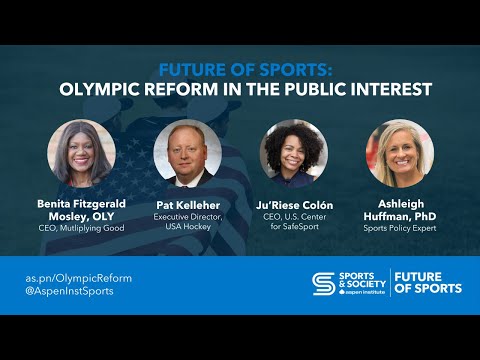
From persistent athlete abuse to declining youth sports participation rates, our sport system has been shaped by fundamental flaws in the design of the Sports Act.

This espnW Women + Sports Summit feature captures Dr. Ashleigh Huffman reflecting on the power of sport to create opportunity, connection, and global impact. In conversation with leaders across women’s sports, she brings a sports diplomacy lens to how athletes, institutions, and communities can use sport to advance equity and meaningful change.

Sports and politics are two of the most polarizing topics in the world. Then again, they both have an undeniable ability to bring people together regardless of country, background and beliefs. From the Olympics to the United Nations, how does sports diplomacy work to create a safer and more stable world? What skills can we adapt from athletics to build stronger communities, both at home and abroad?

This talk, “Diplomacy Through Sports: The Globalization of Sport,” features Dr. Ashleigh Huffman discussing how sport operates as a powerful diplomatic tool in an increasingly connected world. She explores how athletes, institutions, and governments can use sport to build relationships, bridge cultures, and advance shared global priorities.

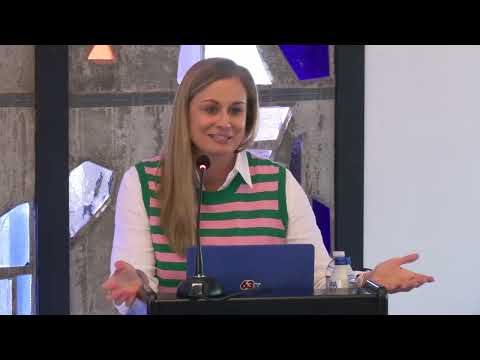
This interview features Dr. Ashleigh Huffman in conversation with Albrecht Sonntag on the role of sport diplomacy in connecting people, institutions, and cultures. It offers a thoughtful look at how sport can serve as a strategic tool for dialogue, trust-building, and international cooperation.

Through the SWinG Project, I had the opportunity to speak about women’s leadership in sport and the importance of opening doors for more women to lead, decide, and shape the future of the industry. My work focuses on helping women move from visibility to influence, building the confidence, networks, and strategic power needed to take their seat at the table and change the systems around them.

